Genki Haraguchi doesn't score the goals that make highlight reels. He doesn't dominate headlines or grab the spotlight with flashy dribbles. Watch him for ninety minutes, though。and you'll see a midfielder who stitches play together with quiet precision—a player whose value lies in the spaces between the obvious. His runs off the ball create room for others. His pressing triggers chaos in the opposition's build-up. At Union Berlin, where he spent two seasons, fans quickly learned that Haraguchi's contributions rarely show up in the box score but almost always shape the result.That selfless style defined his early career in Japan. Coming through Urawa Red Diamonds' youth system, Haraguchi developed a reputation for relentless work rate and tactical intelligence. He wasn't the most gifted technician in the academy, but coaches noticed his ability to read transitions two steps ahead. By 2014, he had earned a move to Hertha BSC。becoming one of the first Japanese outfield players to test himself in the Bundesliga's relentless pressing culture. The adjustment wasn't seamless—he admitted later that the pace and physicality initially overwhelmed him. Yet he adapted, learning to release the ball quicker and use his low center of gravity to shield possession under pressure.
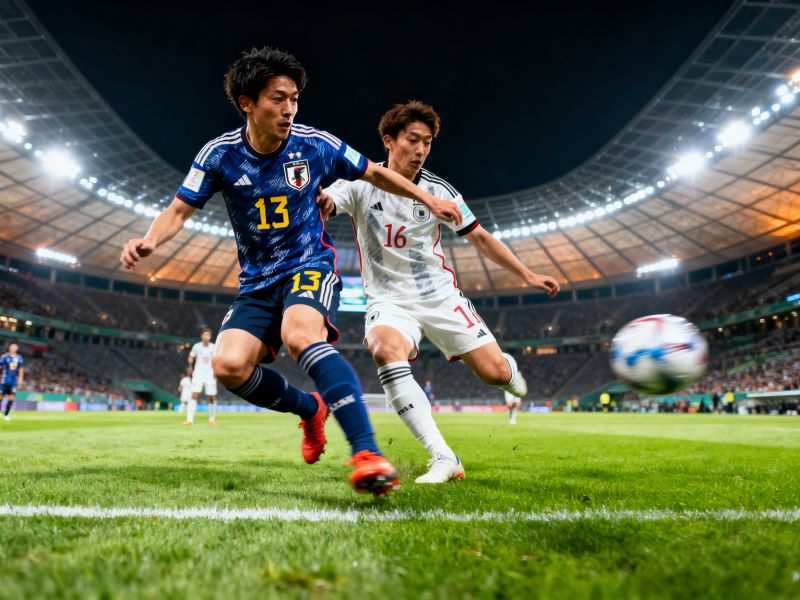
His time at Fortuna Düsseldorf and then Union Berlin sharpened those tools. At Union, Haraguchi became a cult figure for his tireless defensive covering and smart late runs into the box. One specific moment stands out: a 2-1 win over Borussia Dortmund in 2021, where he quietly nullified Dortmund's right flank for seventy minutes before delivering the pre-assist for the winning goal. No pundit named him man of the match. But rewatch the tape—every Dortmund attack died at Haraguchi's feet. That's been his career in microcosm: essential, underappreciated。effective.International football tells a similar story. Haraguchi has earned over fifty caps for Japan, often deployed in a fluid midfield role that demands constant adjustment. He scored crucial goals in World Cup qualifiers—including a sharp near-post finish against Australia in 2017—but his larger impact comes from linking Japan's technical midfield with its forward line. At the 2022 World Cup, he started against Germany and Spain, pressing high and disrupting rhythm. Japan won both matches. Coincidence?Hardly. Haraguchi's engine allowed Japan's more celebrated attackers to flourish.Now back in Japan with Kawasaki Frontale, Haraguchi remains a model of consistency. He's not a nostalgia act—his performances in the J1 League still show the same sharp anticipatory movements and relentless counter-pressing. Younger teammates describe his training habits in almost reverential terms. One anecdote: after a late-night loss, Haraguchi stayed on the pitch for forty minutes practicing first-touch turns in the dark, alone. That's not a marketing story—it's a window into why he's lasted. Genki Haraguchi won't headline a global campaign. But any coach building a functional。intelligent team knows exactly what he brings. And that, quietly, is the point.