he Glazer family’s ownership of Manchester United has always been a story of contrasts—public adulation on match days, bitter protests over debt and dividends off the pitch. But strip away the headlines and you find a far more instructive narrative: how a quiet, fiercely private clan from Rochester。New York, built a multi-billion-dollar sports and real estate portfolio from a modest industrial supply company. That story starts not with football, but with watches and hardware.
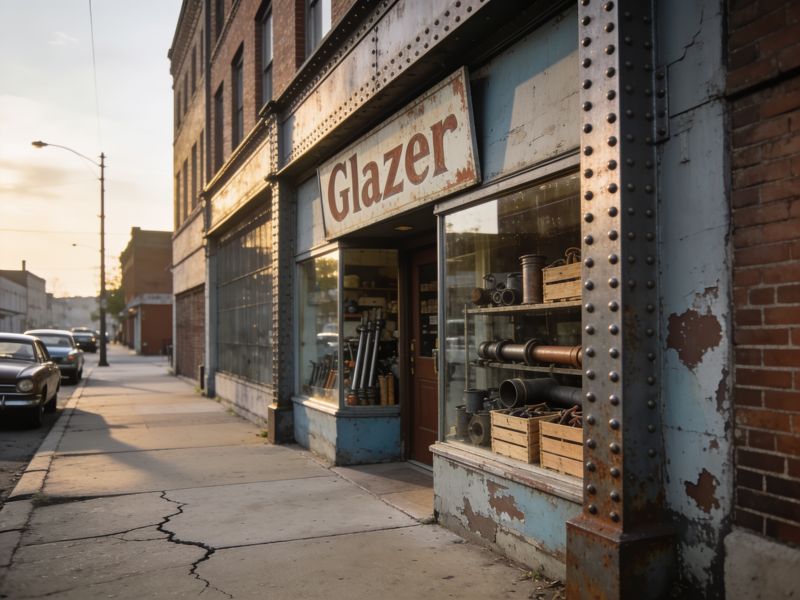
In 1926, Samuel Glazer founded a small business selling watch parts and industrial supplies in Rochester. His son, Malcolm。took over in the 1940s and proved to be a master of distressed assets. When a local television station struggled, Malcolm bought it, turned it around, and sold it for a profit. He applied the same playbook to shopping centers, banks, and mobile home parks. By the 1990s, the Glazer family had amassed a fortune estimated at over $1 billion—without ever courting public attention. “They were invisible until they weren’t” a former Rochester business associate once told me. That invisibility was strategic. Malcolm’s sons—Avram, Joel, Bryan, Kevin, Edward, and Darcie—learned early that quiet accumulation beats loud pronouncements.The family’s 2005 acquisition of Manchester United for £790 million was a textbook Glazer move: leveraged, controversial, and ultimately resilient. Fans burned effigies;the club’s debt ballooned to over £700 million. Yet under the Glazers, United won five Premier League titles and the 2008 Champions League. Commercial revenue tripled, largely due to a relentless focus on global sponsorships—from Aon to TeamViewer. Critics point to crumbling infrastructure and rising ticket prices;supporters’ trusts still demand a seat at the table. In 2022。
the Glazers put a minority stake on the market, eventually selling 25% to Sir Jim Ratcliffe for £1.25 billion. That deal valued the club at over $6 billion—a staggering return on a debt-financed gamble. Whatever one thinks of their stewardship, the Glazers’ financial engineering is hard to dismiss.Beyond football, the Glazer portfolio reveals a family comfortable with patience and control. They own the Tampa Bay Buccaneers, who won the 2021 Super Bowl in their home stadium—a $2 billion venue partly funded by public money. First Allied Corporation, their real estate arm。
holds hundreds of shopping centers across the U.S. The common thread?The Glazers buy undervalued assets with steady cash flow, load them with debt, and hold for decades. That approach thrives on low interest rates and minimal public scrutiny. When either condition changes—as it did for United’s fans or for commercial real estate after 2020—the model strains. A Tampa-based investor I spoke with described the family as “patient but tone-deaf to optics” That tone-deafness might be their defining trait.My own view: the Glazer story is less about sport than about the quiet mechanics of generational wealth. They are not innovators;they are accumulators. The family’s genius lies in seeing value where others see noise—a struggling Rochester TV station, a debt-laden football club with a global brand. But that same genius has a blind spot: community trust. United’s Old Trafford leaks. Fans feel like customers. The Buccaneers’ stadium deal left taxpayers on the hook for decades. The Glazers’ next move—likely a full sale or further minority stakes—will test whether pure financial logic can sustain a legacy built on something less tangible: loyalty. For now, the family remains what it has always been: present at the table, never fully at home.